Background colour in product photography functions as a contextual frame — it tells the buyer's subconscious something about the product before the product itself is examined. This framing happens in milliseconds and is largely unconscious.
Colour psychology research has documented consistent emotional associations with different colour categories:
None of these associations is universally "better." The right background colour is the one that aligns with your brand positioning and target buyer's trust framework.
Pure white (#FFFFFF) is required for:
- Amazon main product images (non-negotiable)
- Google Shopping product listings (strongly preferred)
- Any marketplace where white background is a category norm
White backgrounds work best when:
- The buyer's primary need is accurate product representation
- The category has established white-background norms (electronics, medical, industrial)
- The buyer is in a high-information, high-intent mode (specific search, comparison shopping)
White backgrounds work less well when:
- The category is aspirational and emotional (luxury, lifestyle, artisan)
- The product is white or very light (disappears against a white background)
- The brand needs to differentiate itself from commodity competitors on the same marketplace
A critical distinction: "pure white" and "light grey" are not the same. Light grey backgrounds (like #F5F5F5 or #EEEEEE) are warmer and softer than pure white. They're permitted on DTC channels and often perform better — looking more editorial and less clinical.
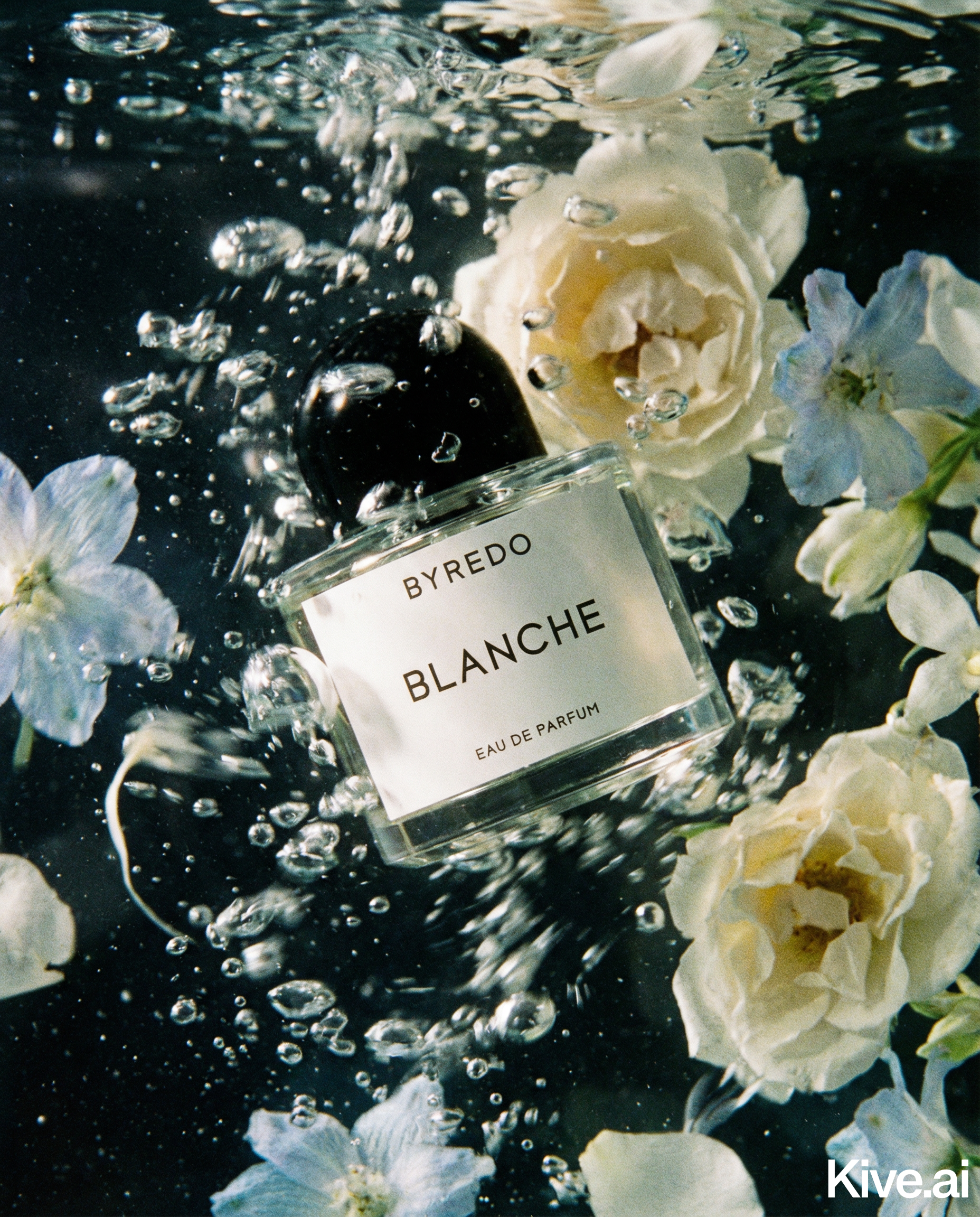
Dark backgrounds — charcoal, deep navy, black, dark forest green — reliably signal luxury and premium positioning. The mechanism: dark backgrounds absorb competing visual information and force all attention onto the product itself. The isolation communicates exclusivity ("this product exists in a world of considered space").
Categories where dark backgrounds work:
- Fine jewellery and watches
- Premium electronics and audio
- Luxury skincare and fragrance
- Premium spirits and wine
- High-end accessories (leather goods, sunglasses)
How to use dark backgrounds effectively:
- Ensure sufficient contrast between the product and background — very dark products on very dark backgrounds lose definition
- Use directional rim lighting to separate the product from the background
- Reserve dark backgrounds for the specific products that genuinely justify premium positioning — don't use them to fake luxury for a budget brand
Sellable's platform turns a single product photo into studio-quality images, cinematic video, and on-brand campaigns — generated, refined on the canvas, and published straight to your store.
The authenticity principle: a buyer who buys based on luxury visual signals and receives a budget product has a worse experience than a buyer who had accurate expectations. Use background colour to communicate genuine positioning, not to inflate it.
Warm neutral backgrounds — cream, soft linen, warm white, natural sand — communicate authenticity, warmth, and naturalism. These are the backgrounds most associated with independent brands, artisan products, and natural/organic positioning.
Categories where warm natural tones work:
- Natural and organic beauty products
- Artisan food and beverage
- Handmade goods and crafts
- Natural home goods (candles, ceramics, textiles)
- Botanical skincare and wellness
The current ecommerce aesthetic trend strongly favours warm neutrals over pure white for DTC brands. Instagram, Etsy, and lifestyle-oriented Shopify stores have collectively established warm neutrals as the visual language of "trustworthy independent brand."
| Category | Primary recommendation | Secondary option |
|---|---|---|
| Jewellery | Dark (charcoal, black) | Warm neutral (cream, marble) |
| Apparel | White or light grey | Lifestyle context |
| Beauty/skincare | Warm neutral or marble | White (for marketplace) |
| Electronics | White or dark grey | Lifestyle context |
| Home goods | Warm neutral | Lifestyle room-set |
| Food/beverage | Warm natural surfaces | Dark surfaces for premium |
| Supplements | White (marketplace) | Clinical light grey |
| Automotive accessories | Dark grey or black | Clean lifestyle |
One of the most valuable capabilities AI photography enables is rapid A/B testing of background choices without any additional photography cost.
Traditional A/B testing of product photography backgrounds requires: 1. Booking a studio 2. Reshooting the same product against multiple backgrounds 3. Waiting for editing 4. Running the test with enough traffic to reach significance
With Sellable, A/B testing backgrounds works like this: 1. Generate Variant A (warm neutral background) 2. Generate Variant B (white background) 3. Generate Variant C (dark background) 4. Upload all three to your ecommerce platform 5. Run the test
Total additional cost: the time to generate 2 additional variants (minutes). Total additional wait: zero.
This capability — being able to test creative hypotheses about photography choices without incurring real costs — is one of the highest-leverage advantages of AI photography for data-driven ecommerce brands.
Sign up for free and transform your product photography with Sellable.
Get started for free