Luxury product photography doesn't primarily communicate features, specifications, or even aesthetics. It communicates worthiness — the proposition that this product is worth whatever price is attached to it, and that the buyer is the kind of person who appreciates that worth.
This is a fundamentally different communication objective than functional product photography. Functional photography says "here is the product, accurately represented." Luxury photography says "here is an object that has been given the same care and attention in its presentation as in its creation."
The psychological transaction: a buyer who encounters a luxury product image is being invited into a relationship with a brand that has standards. The image quality is a brand promise — if they photograph it this well, they make it this well.
One of the most counterintuitive aspects of luxury photography is that it typically shows less than functional photography, not more.
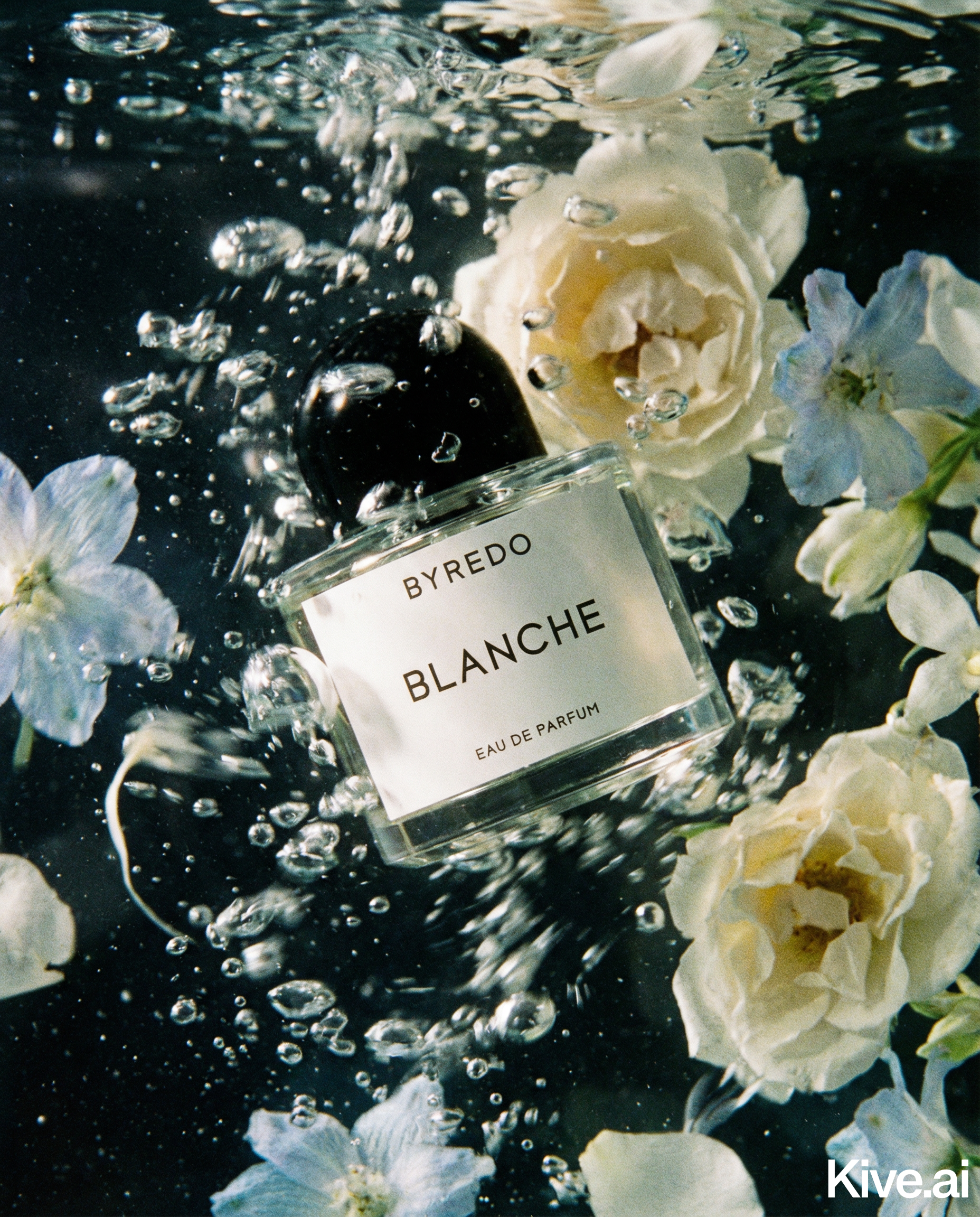
A luxury watch image might show the watch face at a slight angle against a dark background with a single directional light. No case measurements, no feature callouts, no lifestyle context, no price anchor. Just the object.
This restraint is intentional. Information scarcity creates desire: when less is revealed, more is imagined. The viewer fills in the blanks with aspirational projections — the lifestyle it implies, the quality it assumes, the exclusivity it suggests.
Contrast with promotional photography (sales events, clearance, mass market): busy layouts, price stickers, feature badges, "NEW" banners, bright backgrounds. High information density signals accessible, transactional relationships. No mystery, no aspiration.
The luxury photography principle: what you leave out matters as much as what you include.
The psychological mechanism of quality transfer is well-documented in consumer research: buyers use the quality of peripheral elements (packaging, presentation, photography) as a proxy for the quality of the core product.
This means that the production quality of your photography directly influences what buyers are willing to pay for your product:
For DTC brands, this creates a measurable phenomenon: identical products with higher-quality photography regularly achieve higher conversion rates at higher price points. The photography isn't deceiving anyone — it's accurately signalling the brand's quality commitment.
Several specific visual elements constitute the language of luxury photography:
Sellable's platform turns a single product photo into studio-quality images, cinematic video, and on-brand campaigns — generated, refined on the canvas, and published straight to your store.
The language of luxury applies across categories but with category-specific adjustments:
The unifying principle across categories: deliberate, controlled, restrained. Luxury photography communicates that every choice was intentional.
AI photography can replicate the visual language of luxury with precision, making premium visual presentation accessible to brands at any budget level.
Sellable's luxury-oriented prompts and presets incorporate: - Controlled directional lighting with premium shadow quality - Marble, stone, and dark surface backgrounds - Generous negative space composition - Warm or cool colour temperature tuned to brand positioning - Depth and atmosphere that communicates premium context
For a brand selling premium products at $50–$500+ price points, the ROI of luxury photography — achieved through AI rather than expensive studio shoots — is immediate and measurable.
Sign up for free and transform your product photography with Sellable.
Get started for free