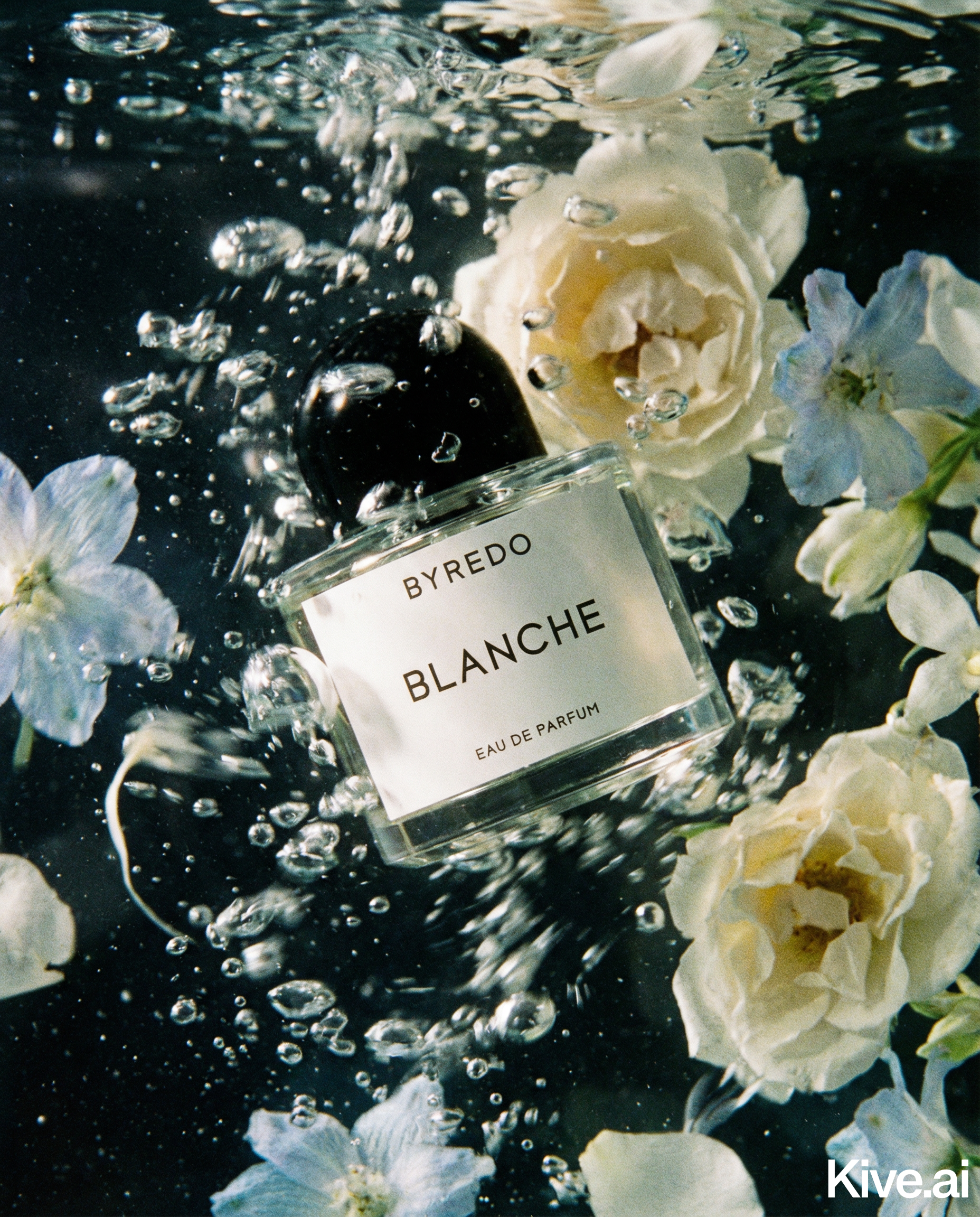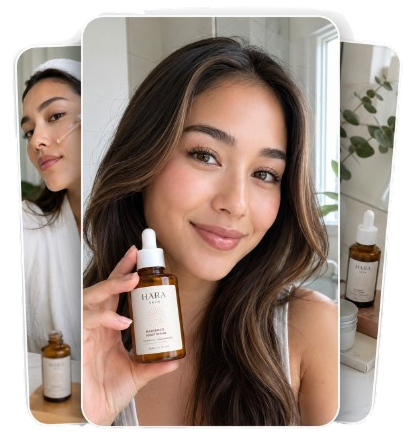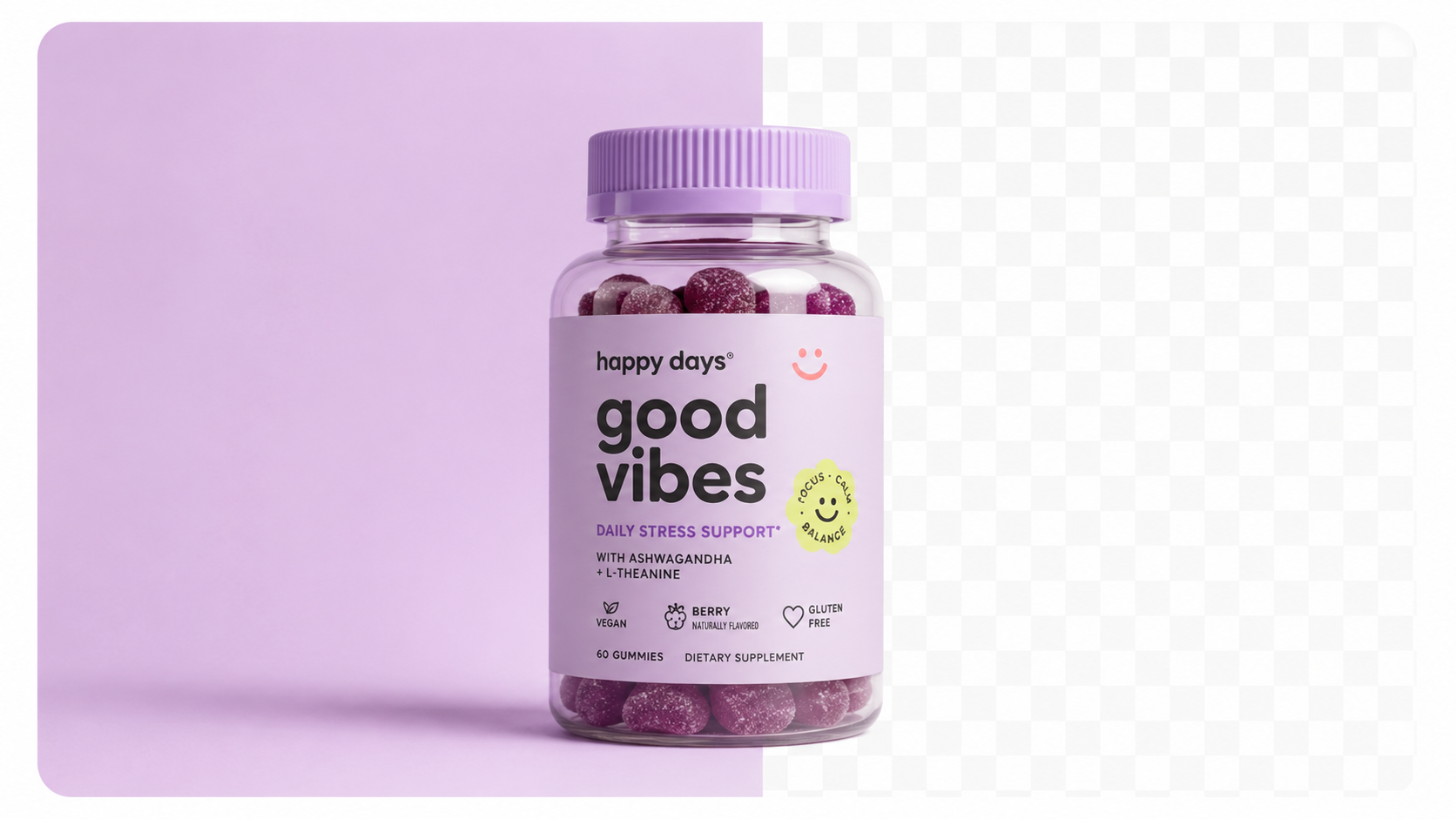
A large window is physically similar to a large softbox — it's a big, diffused light source positioned to the side of your subject. When photographers pay thousands for a 4×6ft softbox, they're replicating what a large window already provides for free.
The key difference is control — studio lights don't change, but natural light does. Once you know how to work with its variations, it becomes a powerful free tool.
| Window position | Effect on product |
|---|---|
| Light coming from side (90°) | Dramatic, shows texture, hard shadows on far side |
| Light from front-side (45°) | Natural, balanced, slight shadows |
| Light from directly behind product | Rim-lit, glowing effect (good for glass/liquids) |
| Light directly behind camera | Flat, even, no texture — usually avoid |
For most products, position your window at 45° to your product on one side, and use a reflector card on the other side to fill shadows.
Anything white, silver, or gold can be a reflector:
Sellable turns a single product photo into studio-quality images, cinematic video, and on-brand campaigns — in under 60 seconds.
Get started free →The reflector goes on the shadow side of your product, angled to catch and bounce window light back onto the dark side.
Shadows are either your enemy or your ally depending on the context:
| Season | Best shooting time |
|---|---|
| Spring/Summer | 9am–11am or 3pm–5pm (avoid midday sun) |
| Autumn/Fall | 10am–2pm when sun is lower |
| Winter | 10am–3pm (short daylight window) |
| Overcast any season | Any time during daylight hours |
Pro tip: Check your weather app the night before and plan shoots for overcast days. The light is more even, lasts longer, and produces more consistent results than sunny days.
DIY Tutorials DIY Tutorials DIY Tutorials DIY Tutorials DIY Tutorials DIY Tutorials DIY Tutorials DIY Tutorials DIY Tutorials Product Description Generator Hashtag Generator Ad Headline Generator Product Title Generator Product Bullet Point Generator Collection Description Generator Facebook Ad Copy Generator TikTok Ad Script Generator Google Shopping Ad Generator Sign up for free and transform your product photography with Sellable.
Get started for free